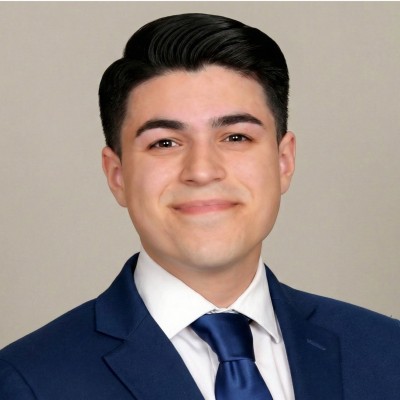
Jessee Espinosa.
I turn complex legislation and public budgets into real public impact. Master of Public Policy, UCLA. Nearly a decade of experience across organizing, elected office, and legislative oversight.
- Impact
- $1B+ funding secured
- Focus
- Economic Opportunity for the Working Class
- Based in
- Bay Area / Sacramento
- Status
- Open to opportunities
Outcomes that move the needle.
“I'm a policy strategist who turns dense legislation and public budgets into responsible, human-centered outcomes. My path began in community organizing and grew through public budgeting and legislative oversight. It's where I saw how the right systems can empower the workforce with economic opportunity.”
Four ways I turn strategy into outcomes.
Policy that delivered.
I authored and passed a landmark resolution committing Merced City School District to Structured Literacy for its 11,000 students: phonemic awareness, systematic decoding, and a knowledge-building curriculum. Built through extensive coalition work, it earned a unanimous 5-0 Board vote plus the formal backing of the Merced City Teachers Association and district leadership. It distills five decades of interdisciplinary research into the district's foundational literacy governing document, making scientifically grounded, equitable instruction a right for every student.
Read the resolution (PDF)A first-of-its-kind strategic analysis of an unprecedented amnesty program to resolve years of fraudulent building inspections. Rather than a standard review, it summarized a brand-new policy framework: waiving penalties and permit fees for property owners victimized by a corruption scandal involving former city officials. I detailed the roughly $924,226 in revenue the city would forgo, and flagged a critical consideration: without investigation into possible owner-inspector collusion, the amnesty could inadvertently benefit illegal work. The report became the Board's primary briefing document on whether to codify the process into law.
Read the analysis (PDF)An analysis of an $18M contract for specialized engineering across the city's regional water system, including assessments of all SFPUC dams and spillways, a direct response to heightened state scrutiny after the 2017 Oroville Dam crisis. Its central component justified moving the Moccasin and O'Shaughnessy Dam projects to a new vendor to prevent a significant conflict of interest, ensuring that no single firm would audit its own design work. The report gave the Board the fiscal and ethical framework to safeguard water and power for 2.7 million residents.
Read the analysis (PDF)A strategic analysis of a $35M inter-agency funding commitment for the Vista Grande Drainage Basin Improvement Project. I reviewed the Memorandum of Agreement delineating responsibilities for a $172M joint effort, evaluated the SFPUC's $35M contribution benchmarked against the volume of water benefits, and analyzed the long-term fiscal commitments beyond initial construction. The report gave the Government Audit and Oversight Committee the fiscal and policy grounding to approve a resolution that secures drainage infrastructure while advancing a major regional water-restoration goal.
Read the analysis (PDF)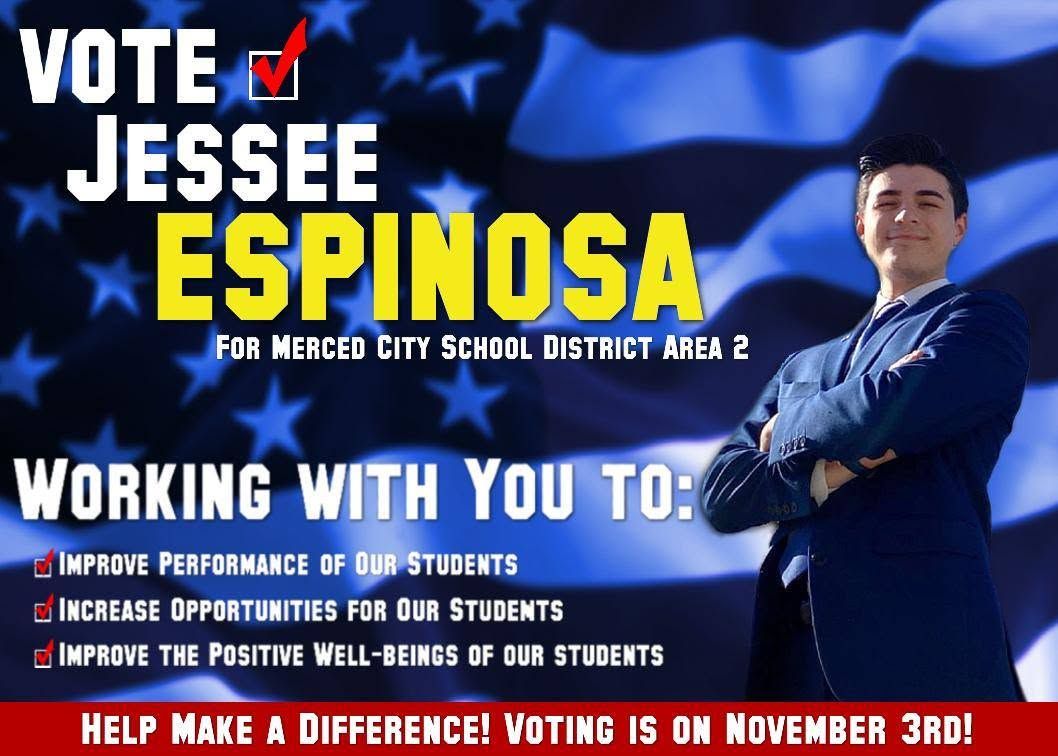
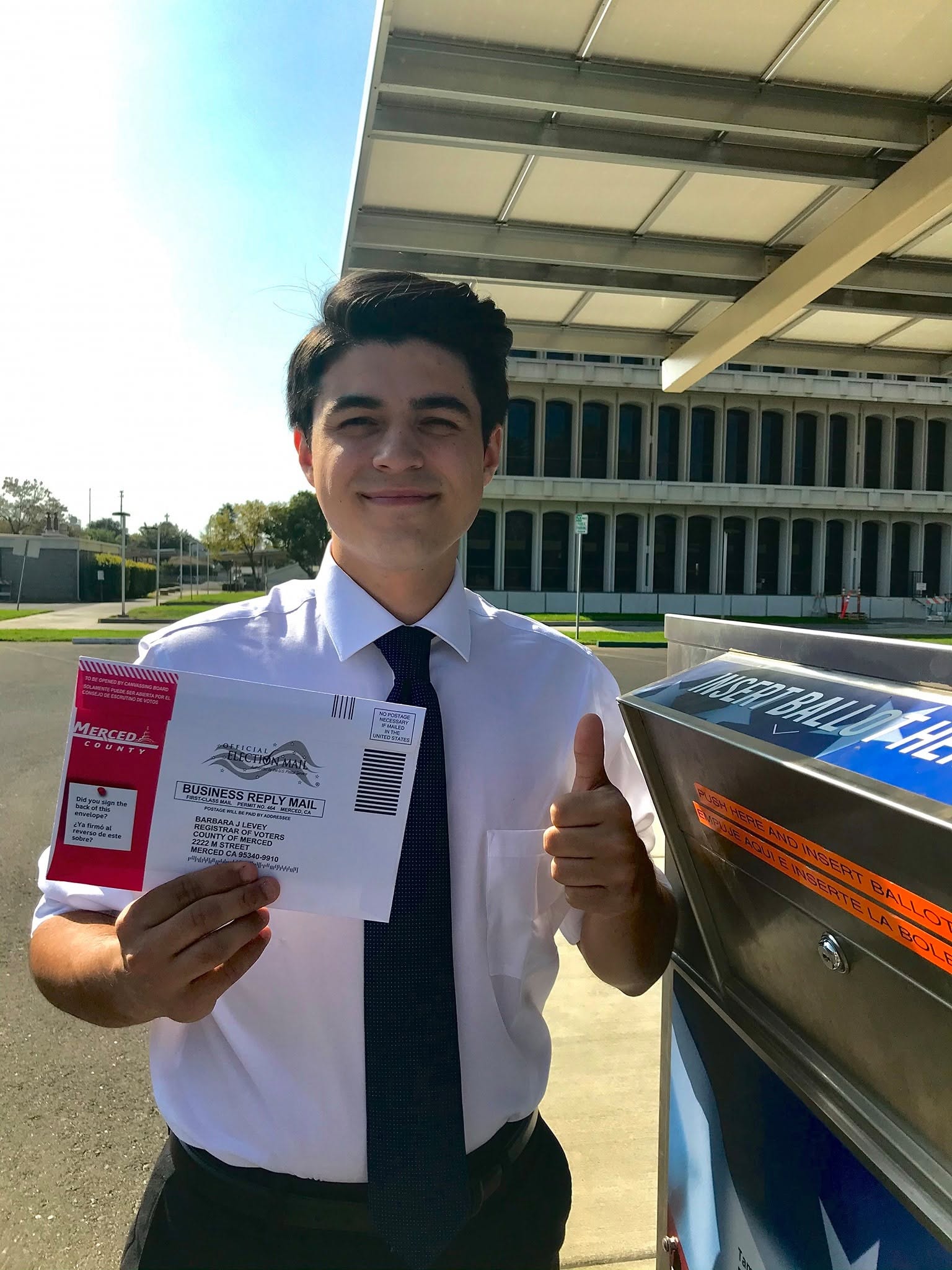
I built the coalition, the message, and the public case for Measure O, an $80 million school-facilities bond, and voters approved it with 65.7% support. The campaign converted community trust into a binding fiscal commitment: real classrooms, real infrastructure, on a timeline the district must keep. I then oversaw the capital planning and bond issuance strategy that turned the vote into buildings. It started the same way my own campaign did: door by door, with a data-driven ground game in a district where I had won citywide office at 21 with 63% of the vote.
See the campaignA decade of public service, from the grassroots to the legislative floor.
- Authored 85+ published legislative analyses and policy briefs, the highest volume on the team.
- Made the case for $1B+ in legislative funding directly to elected decision-makers.
- Built R and SQL spending models that found $500K+ in savings, adopted into the Mayor's budget.
- Fiduciary oversight of a $200M budget across 19 campuses, 1,300 staff, and 11,000 students.
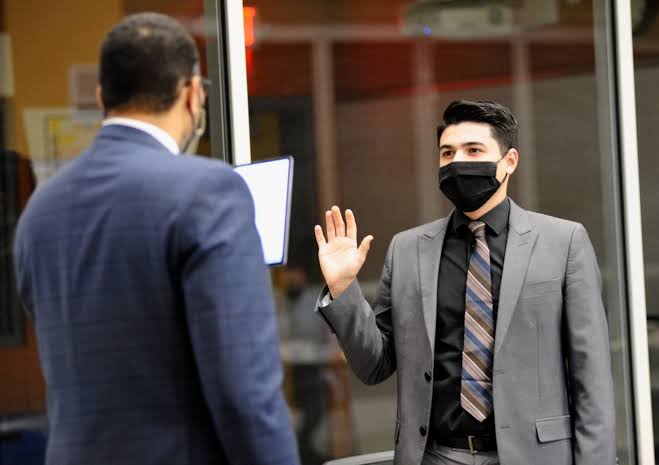
- Carried the $80M Measure O bond to 65.7% and authored the Science of Reading resolution, passed 5-0.
- Placed a dedicated mental-health aide on every campus, doubling student access to support.
- Ran program-evaluation and equity research on veteran nutrition and recruiting women into policing.
- Synthesized 50+ studies with original survey data from 100+ participants.
- Delivered dashboards and recommendations in R that shaped policy for government partners.
- Directed a field campaign across a 100,000-voter region during the 2021 recall defense.
- Supervised a six-person canvass and phone-bank team, assigning by performance data.
- Built the "Lift While You Lead" mentorship program, raising participants' average GPA from 2.8 to 3.26.
- Created 11 candidate forums and a county Board of Supervisors debate; drove a 177% rise in service-project recruitment.
- Built the college's first nationally ranked forensics program from scratch.
- Reached the National Round Robin, top 8 of 800 teams; wrote the curriculum and raised its operating funds.
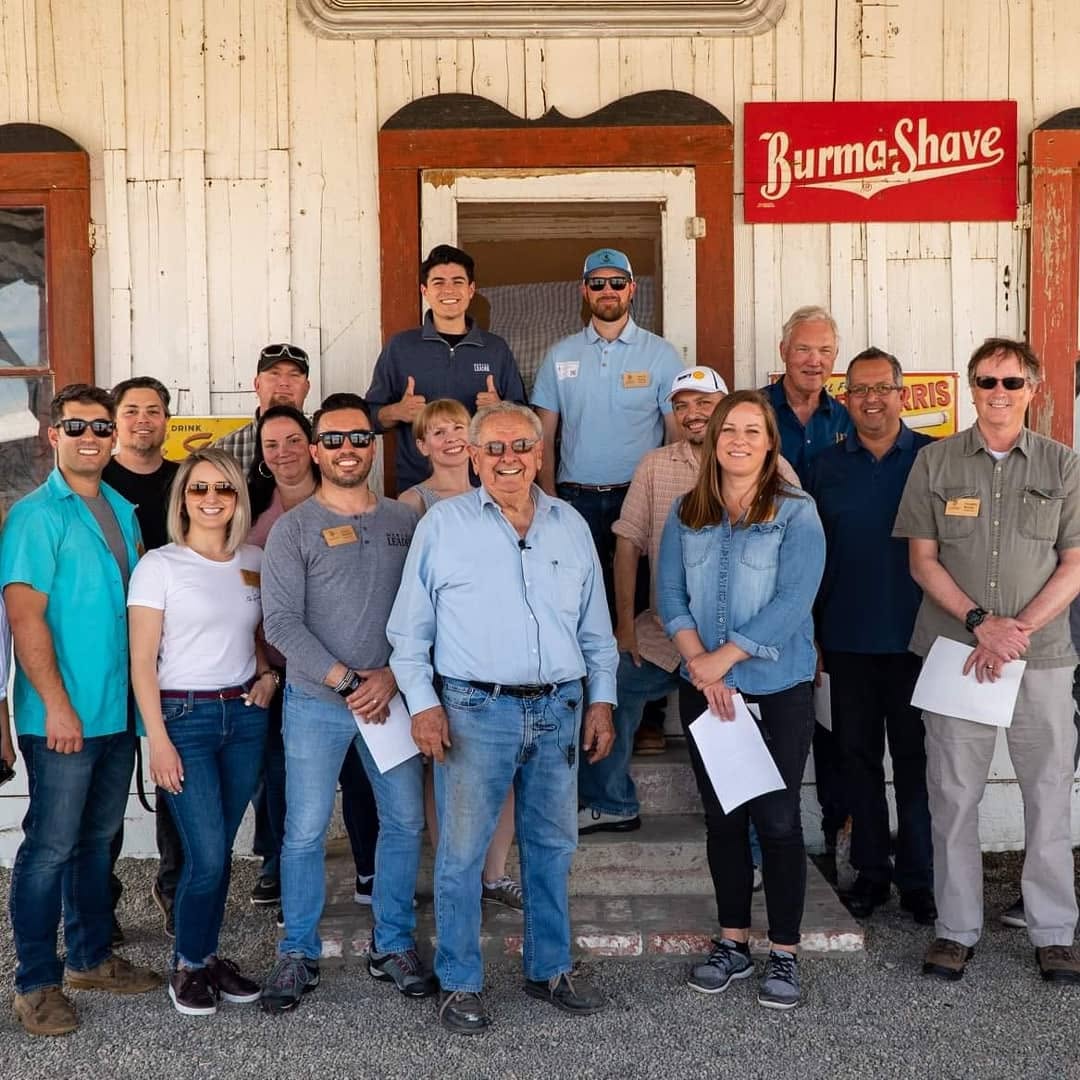
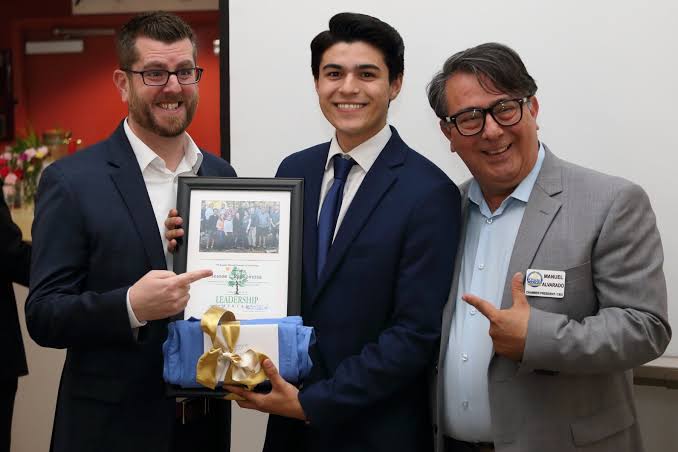
Public service, in motion.
Building something
that needs a policy mind?
I reply within one business day.